Starbucks Cappuccino Guide for Foam Shots and Caffeine
A cappuccino is espresso, steamed milk and a deep cap of foam, so it tastes bolder than a latte. Short and tall sizes get one shot, while grande and venti get two. Below you will find caffeine, calories, milk swaps, dry or wet styles and the iced question.
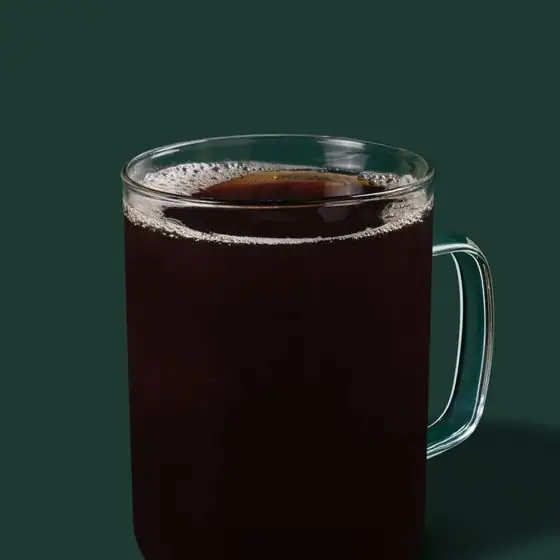
A Starbucks cappuccino is espresso topped with steamed milk and a thick, airy cap of foam, and it is the foamiest espresso drink on the hot menu. This guide covers shots by size, calories, caffeine, milk swaps, flavors and the iced question that trips up so many people. You can also step back to the full Starbucks menu at any point.
What Is a Starbucks Cappuccino?
The drink is a hot espresso beverage made with espresso, steamed milk and a thick layer of milk foam. The espresso is Starbucks Signature roast by default, and the milk is 2% unless you choose another one.
Think of it in three layers. Espresso sits at the bottom. Steamed milk, which is hot and silky, sits in the middle. Foam, which is lighter and full of tiny air bubbles, forms the cap. In classic Italian cafes the three layers are close to equal parts. Starbucks leans more on foam and less on liquid milk than a latte, which is why the cup feels light in your hand but tastes bolder.
The foam is the whole point. It is made by steaming milk with extra air so the texture turns thick and fluffy instead of smooth and pourable. Because foam holds heat well, the first sips stay hot for a while.
No syrup goes in, so the sweetness comes from the milk itself. If you want it sweeter, you add it. That makes the cappuccino one of the easiest drinks to build up from a plain base.
What a Cappuccino Tastes Like at Starbucks
Expect a stronger coffee flavor than a latte. Less liquid milk means the espresso is less diluted, so you taste roasted, slightly bitter coffee first and a gentle milky sweetness after it. The texture is airy and light, almost like drinking a warm cloud on top of a shot of espresso.
Regulars often shorten the name to starbucks capp when they order, and baristas know exactly what that means. If you have only had flavored lattes, the first cappuccino can feel plain. That is normal. The drink is meant to put the coffee first, so the flavor is simple and direct.
A cappuccino starbucks coffee fan usually describes it with three words: strong, foamy and creamy at the edges. The Signature roast brings caramel and cocoa notes. The Blonde roast tastes lighter and a touch sweeter. If you find the standard cup too sharp, ask for Blonde espresso or a wet style, which has more milk and less foam. Both are covered below.
Temperature matters here too. Foam insulates the drink, so the surface stays hot while the liquid underneath cools more slowly than in a flat latte. If you carry the cup for a few minutes, the cappuccino is usually still warm when you reach your desk.
Cappuccino vs Latte, Flat White and Macchiato at Starbucks
The main difference between a cappuccino and a latte is how much foam sits on top. A cappuccino has a deep foam cap and less liquid milk. A latte has more steamed milk and only a thin layer of foam, so it tastes milder and smoother.
Among cappuccino drinks at Starbucks and the other hot espresso options on the board, the lineup comes down to milk, foam and strength. Browse all of the hot coffee and espresso drinks to see the full row.
The table below sets the cappuccino starbucks coffee order next to its closest neighbors.
Cappuccino vs Latte, Flat White and Macchiato at Starbucks
| Drink | Foam | Milk | Strength | Texture | Best for |
|---|---|---|---|---|---|
| Cappuccino | Deep cap | Less steamed milk | Bold | Airy and light | Coffee flavor with a soft top |
| Latte | Thin layer | Lots of steamed milk | Mild | Smooth and creamy | Easy, milky sipping |
| Flat White | Very thin microfoam | Steamed milk | Strong, ristretto shots | Velvety | A rich, smooth cup |
| Caramel Macchiato | Light foam | Steamed milk with vanilla syrup | Medium | Layered | Something sweet with caramel on top |
| Cortado | Little foam | A small amount of milk | Very bold | Dense and small | A short, strong drink |
Read more about each neighbor on its own page: the Starbucks latte, the flat white and the cortado.
A macchiato at Starbucks works differently from the others. The Caramel Macchiato starts with vanilla syrup and steamed milk, and the espresso is poured over the top, so the drink is layered and sweet. A cappuccino mixes foam and espresso into one cup with no syrup. If you want coffee-forward, pick the cappuccino. If you want dessert-like, pick the macchiato.
Sizes, Shots and Caffeine in a Cappuccino
A hot cappuccino comes with one shot of espresso in the Short and Tall sizes and two shots in the Grande and Venti. That means a Venti has no more caffeine than a Grande, just more milk and foam.
Sizes, Shots and Caffeine in a Cappuccino
| Size | Ounces | Espresso shots | Caffeine (Signature) |
|---|---|---|---|
| Short | 8 | 1 | About 75 mg |
| Tall | 12 | 1 | About 75 mg |
| Grande | 16 | 2 | About 150 mg |
| Venti | 20 | 2 | About 150 mg |
These numbers match published Starbucks figures as repeated by caffeine reference sites. Starbucks itself says caffeine amounts are approximate, since they shift with bean origin and brewing equipment.
The Short size does not appear on the menu board, but baristas will still make a hot drink in it. A Short cappuccino is a good choice if you want the full foam effect in a smaller cup, because the ratio of foam to liquid stays high.
Starbucks Cappuccino Grande: Shots, Calories and Caffeine
The Grande is the size most people order. It holds 16 fluid ounces, two espresso shots and roughly 150 mg of caffeine. With the default 2% milk, the commonly published figures are about 140 calories and 12 grams of sugar. That sugar comes from the lactose in the milk, since a plain cappuccino has no added syrup.
Caffeine in Starbucks Cappuccino: Signature, Blonde and Decaf Shots
Starbucks says a shot of Signature espresso carries about 75 mg of caffeine and a shot of Blonde espresso about 85 mg. Blonde is lighter in color and flavor, yet it has slightly more caffeine. A Grande with two Blonde shots therefore reaches about 170 mg.
A latte of the same size has the same number of shots, so the caffeine matches. The difference between the two drinks is milk and foam, not coffee. Ristretto shots, which are pulled shorter, change the flavor toward sweeter and richer, but the caffeine is still in the same general range.
Decaf Cappuccino Starbucks Baristas Can Make
You can ask for a decaf cappuccino in any size, and the barista swaps the Signature shots for decaf espresso. Say "decaf" when you order, or tap the decaf option under espresso in the app. Decaf is not zero caffeine, so a small amount stays in each shot.
If you want half the caffeine, ask for "half-caff". A Grande then gets one regular shot and one decaf shot. Availability of decaf espresso can vary by store, and it may take a moment longer because it is not the default setup.
Calories, Milk Choices and Allergens in a Cappuccino
A Grande cappuccino made with 2% milk is commonly listed at about 140 calories. Nonfat milk lowers that number, and whole milk raises it. Plant milks usually fall somewhere around or below the 2% figure, depending on the brand Starbucks stocks.
Nonfat milk usually makes the stiffest, tallest foam, because it has the least fat to weigh the bubbles down. Whole milk gives a creamier, denser foam that tastes richer but sits lower in the cup. Choose nonfat for a big airy cap and whole for a smooth, plush one.
Milk choice also changes the foam. Oat milk is widely seen as the best plant option for foaming, because it produces a silky, stable foam that holds its shape. Soy froths reliably too, though it brings its own beany taste. Almond milk tends to struggle when heated, since low protein makes bigger, less stable bubbles. Coconut milk foams light and airy, but the bubbles fade quickly.
For allergens, the base drink contains milk. Soy milk adds a soy allergen, and almond or coconut milk can add a tree nut allergen, depending on how the label classifies them. Espresso machines and steam wands are shared across drinks, so cross-contact is possible. If you have a serious allergy, tell the barista when you order and check the official allergen information in the app.
Cold Cappuccino Starbucks Style: Can You Order It Iced?
Starbucks does not list an iced cappuccino as a standard menu item in the United States. A cappuccino depends on hot, dense foam, and hot foam does not hold up over ice. The foam collapses quickly, so the drink turns watery.
A barista can approximate one if you ask, but baristas often steer people away from it. Making proper foam means steaming a full pitcher of milk, and if no hot drink is ordered with it, the rest of the milk gets thrown out. That is a poor deal for everyone.
What most people actually want is a cold, strong, milky coffee with a soft top. You can get that, and the next section shows how. The cold drinks that come closest are the iced latte, iced Blonde Vanilla Latte or a shaken espresso with cold foam.
Starbucks Cappuccino Iced: What To Order Instead
Order an iced latte if you want espresso and cold milk without the foam. Add a splash of cold foam if you miss the airy top, since cold foam is made to float on iced drinks. Read more about those options on the page about cold foam drinks.
To get the foam feel, say "extra cold foam" instead of "extra foam". Cold foam stays on top of an iced drink, and ordinary steamed foam does not. For a stronger iced cup, add an extra shot or choose Blonde espresso.
Cappuccino Flavors Starbucks Lets You Add
A cappuccino arrives unflavored, but you can add syrups, sauces and toppings. Common choices include vanilla, caramel, hazelnut, cinnamon dolce, brown sugar and toffee nut, though what is on the shelf can change by store and season. The only sugar-free syrup Starbucks currently carries is vanilla, as far as I can tell.
Standard pump counts for hot drinks are three for a Tall, four for a Grande and five for a Venti. If you like less sugar, ask for half the pumps. See the syrups page for the full list.
For a plain vanilla option, ask for a cappuccino vanilla starbucks style: one or two pumps in a Grande give a soft sweetness without hiding the espresso. A dusting of cinnamon or chocolate powder from the condiment bar adds flavor with no extra pumps.
Starbucks Caramel Cappuccino With Caramel Syrup
To get a caramel version, ask for a cappuccino with caramel syrup. A caramel sauce drizzle on top is a second option, and you can use both for a sweeter cup.
This is not the same as a Caramel Macchiato. The Caramel Macchiato uses vanilla syrup, steamed milk, espresso poured on top and a caramel drizzle, so it is layered and sweeter. A cappuccino with caramel keeps its thick foam and stronger coffee flavor. Added syrup raises calories and sugar, so ask for fewer pumps if that matters to you.
French Vanilla Cappuccino Starbucks Sells and Does Not Sell
Starbucks cafes do not list a French Vanilla Cappuccino on the standard menu. Names like this belong mostly to packaged and instant cappuccino mixes sold in grocery stores by various brands, and availability of any Starbucks-branded product under that name varies.
The cafe version is easy to build. Ask for a cappuccino with vanilla syrup, and add a little cream-style sweetness with one extra pump if you want the dessert feel. The result is close to the French vanilla taste people expect.
How to Customize Your Cappuccino
Almost every part of a cappuccino can change. Here are the options and the words to use:
- Milk: "oat milk cappuccino" or "nonfat cappuccino".
- Temperature: "extra hot" for a hotter drink, or "kid's temperature" for a cooler one.
- Shots: "add a shot", "Blonde espresso", "ristretto shots" or "decaf".
- Syrup: "two pumps of vanilla" or "half sweet".
- Toppings: cinnamon or chocolate powder from the bar.
- Size: Short, Tall, Grande or Venti.
Say the size first, then milk, then changes. For example: "Grande oat milk cappuccino, Blonde espresso, one pump of vanilla." Baristas hear this order all day, so it keeps your drink right.
A few quick fixes for common complaints. Too bitter: switch to Blonde espresso or ask for a wet cappuccino. Too weak: add a shot rather than a bigger size. Too sweet after adding syrup: ask for fewer pumps next time. Too hot to sip: ask for kid's temperature, which is warm but not scalding.
Dry, Wet and Bone-Dry Cappuccino
These words describe the foam-to-milk balance.
A dry cappuccino has more foam and less steamed milk. A wet cappuccino has more steamed milk and less foam, so it is closer to a latte. A bone-dry cappuccino is espresso topped with foam and almost no liquid milk at all.
Dry tastes the strongest and feels the lightest. Wet tastes smoother. Bone-dry is intense and rare. To order, say "a dry Grande cappuccino" or "a wet Grande cappuccino". Results vary by barista, because no machine measures the ratio for them.
Sipping order changes the experience. The first sip is nearly all foam, which feels light and slightly sweet. As you drink down, the espresso and milk blend together and the flavor gets stronger. Some people stir the cup once with the stirrer to even this out, while others prefer the shift from soft to bold.
Cappuccino Questions People Ask
What is the difference between a cappuccino and a latte at Starbucks?
A cappuccino has a deep layer of foam and less liquid milk, so it tastes stronger and feels airy. A latte has more steamed milk and a thin foam layer, so it tastes smoother and milder. Both use the same espresso and the same number of shots in each size.
How many shots of espresso are in a Starbucks cappuccino?
Short and Tall cappuccinos get one shot of espresso. Grande and Venti get two shots. That means a Venti has the same caffeine as a Grande. If you want more kick, ask for an extra shot or switch to Blonde espresso, which has a little more caffeine per shot.
How much caffeine is in a Grande cappuccino?
A Grande cappuccino made with two Signature shots has about 150 mg of caffeine. With Blonde shots it is closer to 170 mg. Starbucks calls these numbers approximate, because caffeine varies with the beans and the machine. A decaf version has only a small amount.
Does Starbucks make iced cappuccinos?
Not as a standard item. Cappuccino relies on hot foam, which collapses over ice. A barista can try to approximate one, but most people are happier with an iced latte plus cold foam. Ask for cold foam, because it stays on top of a cold drink.
How many calories are in a Grande cappuccino from Starbucks?
A Grande cappuccino with 2% milk is commonly listed at about 140 calories and 12 grams of sugar, all from milk. Nonfat milk lowers the count and whole milk raises it. Syrups and sauces add calories and sugar on top of the base figure.
What is a dry cappuccino at Starbucks?
A dry cappuccino has more foam and less steamed milk than the standard drink. It tastes stronger and feels lighter. A wet cappuccino reverses the balance and tastes closer to a latte. Ask for the style by name, and know that results vary by barista.
Can I get a cappuccino with oat milk or almond milk?
Yes. Both are available at most stores. Oat milk foams best among plant options and gives a silky cap. Almond milk can separate when heated and makes a thinner foam. Soy and coconut are also available at many locations. Availability varies by store.
Is a cappuccino sweet at Starbucks?
Not much. A plain cappuccino has no added syrup, so the only sweetness comes from the lactose in milk. It tastes more like coffee than candy. If you want it sweeter, ask for one or two pumps of vanilla, caramel or another syrup.
Can I order a decaf cappuccino at Starbucks?
Yes. Ask for decaf espresso when you order, in any size. Decaf shots still hold a small amount of caffeine. For a middle path, order half-caff, which mixes one regular shot with one decaf shot in a Grande. Decaf espresso may not be stocked at every store.
What is the difference between a cappuccino and a macchiato at Starbucks?
The Caramel Macchiato is layered and sweet: vanilla syrup and steamed milk, espresso poured on top, then caramel drizzle. A cappuccino has no syrup and is mostly espresso, milk and foam mixed together. Choose the cappuccino for coffee flavor and the macchiato for sweetness.
Does a cappuccino come in a Short size?
Yes, in hot drinks. The Short is an 8-ounce cup that is not shown on the menu board, but baristas will still make it. A Short cappuccino has one shot of espresso and keeps a high foam-to-liquid ratio, which many people like.