Starbucks Gluten Free Food
Sealed, labeled snacks are the safest choice because they skip shared cafe equipment. Plain coffee and tea have no gluten ingredients, but milk, syrups and toppings add risk. The table and sections below rank each food type by risk. Read every label, and ask your doctor if you have celiac disease.
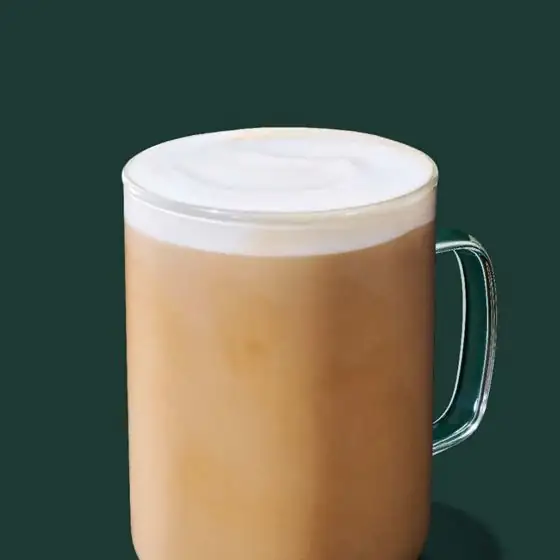
The safest picks for Starbucks gluten free food are sealed, labeled packaged snacks, because they skip the shared equipment inside the cafe. Starbucks does not publish a gluten free menu, so you decide drink by drink and item by item.
This guide shows what is generally free of gluten ingredients, what carries real cross-contact risk, and how to order with fewer surprises. It is general information, not medical advice. If you have celiac disease or a wheat allergy, check labels yourself and talk to your doctor. For the full range of food and drinks, see the full Starbucks menu with drinks and food.
Gluten Free Options at Starbucks: Start With Packaged Items
Packaged items are the clearest answer to the question of what you can order. A sealed bar, bag or box keeps its own label, so you can read the ingredients and any gluten-free claim without relying on how a barista handled it.
Unpackaged items are different. Starbucks states that it cannot guarantee unpackaged products are allergen-free, because shared equipment is used to store, prepare and serve them. Steam wands, shakers, tongs, ovens and blenders touch many ingredients in a day, and wheat is one of them.
That is why the rule is simple: if it is sealed and labeled, read the label. If it is made in the cafe, treat it as possible exposure even when the recipe has no wheat in it. Stores vary, and so do suppliers, so a snack you saw last month may be replaced by another brand today.
Packaged Snacks, Bars and Protein Boxes
Starbucks gluten free items sold sealed usually include bars, chips and nut-based snacks near the register. KIND bars are a common example, and a marshmallow dream bar has been sold in the past, though availability changes. Other labeled snacks come and go by region and by season.
Protein boxes are trickier. The box is packaged, but it holds several parts, and each part may or may not be free of gluten. A cheese or egg section may be fine while a cracker or bread section is not. Read the box label and each component, and skip the box if the label does not clearly cover everything.
The rule for every packaged product is the same. Read the label every time, because recipes and suppliers change without notice.
Egg Bites and the Bakery Case
Gluten free at Starbucks food counters is a mixed picture, and egg bites are the best example. Published ingredient lists for egg bites do not include wheat, but the bites are heated in shared ovens, handled with shared tongs and displayed near foods that do contain gluten. For a person with celiac disease, that shared handling is the whole question.
The bakery case is simpler. Croissants, muffins, cake pops, loaf cakes and cookies are made with wheat flour, so they are not gluten free. A marshmallow dream bar has been sold as a labeled gluten-free item in some periods, but it was packaged and availability varies. See egg bites and bakery items for what is on the board now.
Starbucks Drinks That Are Gluten Free: Coffee, Tea, Milk and Syrups
Most drinks are made from ingredients without wheat, which is why people often say they are fine. Plain brewed coffee, espresso, an Americano, tea, steamed milk and most plain milk drinks have no gluten ingredients. The risk comes from what gets added and what the equipment touched before.
Plant milks need attention. Oat milk is the main one, and it is covered in its own section below. Almond, coconut and soy milk are not made from gluten grains, though cross-contact in a shared pitcher is still possible.
Syrups and sauces usually list no gluten ingredients, but the ingredient lists include "natural flavors," which are not broken down. Some careful eaters avoid items with unexplained flavorings, and some report problems after drinking them. If that applies to you, treat syrups as a question to check in the app, not an assumption. You can see what is on the menu in the syrup and sauce list.
The ones to avoid are toppings and add-ins that contain wheat, such as cookie crumbles and Java Chips, and flavors that use malt, which comes from barley.
Gluten Free Coffee Starbucks Makes: Brewed, Americano and Cold Brew
Coffee itself is free of gluten. Brewed coffee, an Americano and Cold Brew are the lowest-touch drinks, because they are poured or made straight into a cup with little equipment involved. An iced Americano or Cold Brew has the least contact of all.
Risk rises as you add milk, foam, syrups and toppings, since steam wands and shared pitchers come into play. If you are cautious, ask for a clean pitcher and a fresh wand wipe. Browse hot coffee and espresso drinks and cold brew and iced coffee for the plain options.
Oat Milk and Other Plant Milks
Oat milk is the plant milk people ask about most. Oats are naturally free of gluten, but regular oats are often processed alongside wheat, barley or rye, which can add traces. Some oat milks are made from certified gluten-free oats, and some are not.
Starbucks has used well-known oat milk brands that carry gluten-free certification, but the brand can vary by location. Ask the barista which brand your store uses, and check that brand's label. Almond, coconut and soy milk are made from nuts, coconut and beans, so they do not contain gluten grains, though they carry their own allergens.
Gluten Free Drinks at Starbucks That Need Extra Care
Some drinks have no wheat ingredients but carry more risk because of how they are made. Frappuccinos, shaken espressos, blended Refreshers and anything with toppings are the main ones.
The cause is equipment. A blender that made a Java Chip Frappuccino a minute ago may still hold traces of wheat. A shaker used for chocolate malt powder, which contains barley, can pass traces to the next drink. Toppings are scooped and sprinkled with shared tools.
You can lower the risk with a polite request. Ask for a clean blender, a fresh pitcher, and a rinsed shaker. Many baristas will do this, and it takes seconds. Skip toppings and drizzles unless you have confirmed what is in them.
Gluten Free Frappuccino Starbucks Orders and Blender Risk
The safest Frappuccino starts with a base that has no cookie or chip ingredients. The coffee and crème bases have no wheat ingredients, so a plain flavor can work, but the blender is the main risk. Java Chips and Chocolate Cookie Crumble contain gluten, so any Frappuccino that uses them is out.
If you order one, ask for a clean blender and skip toppings. Safer flavors are the plain ones, such as vanilla or strawberry crème, where the only add-ons are sauce and whipped cream. See the Frappuccino flavors and bases for the list.
Questions People Ask About Gluten Free Orders
Does Starbucks have an official gluten free menu?
No. There is no official gluten free menu. Starbucks lists ingredients and allergen information for items in its app and website, and it states that it cannot guarantee unpackaged products are allergen-free because of shared equipment. You choose items by reading ingredients, labels and your own comfort with risk.
Is the Starbucks Pumpkin Spice Latte gluten free?
The pumpkin spice sauce is reported to be made from sugar, condensed skim milk and pumpkin puree, and the topping is a spice blend, so no gluten ingredients are listed in published descriptions. Steam wands and shared pitchers still pose a cross-contact risk, and recipes change, so check the app first.
Is Starbucks oat milk gluten free?
It depends on the brand your store uses. Starbucks has used oat milks that carry a gluten-free label, but brands vary by location. Ask the barista which brand is in the cafe and check that brand's label. Regular oats can pick up gluten in processing, so the certification is what matters.
Are Starbucks egg bites gluten free?
The ingredient lists do not include wheat, but egg bites share ovens, tongs and display cases with foods that contain gluten. For some people that is acceptable, and for people with celiac disease it may not be. Starbucks cannot guarantee unpackaged food is allergen-free.
Are Starbucks Frappuccinos gluten free?
Some are free of gluten ingredients and some are not. Java Chip and Mocha Cookie Crumble contain gluten, and blenders are shared. Plain coffee or crème bases have no wheat ingredients. If you order one, ask for a clean blender and skip toppings.
Is plain brewed coffee at Starbucks free of gluten?
Yes. Plain brewed coffee has no gluten ingredients, and it is one of the lowest-risk drinks because it is poured straight into a cup. Add-ins such as flavored creamers, syrups and toppings change that, so keep it plain if you are cautious.
Are Starbucks syrups and sauces gluten free?
Most standard syrups and sauces list no gluten ingredients, but ingredient lists often include "natural flavors" without detail. Some people avoid them for that reason. Cookie crumbles, Java Chips and malt powder are not safe. Check each flavor in the app, because seasonal options change.
Can people with celiac disease safely eat at Starbucks?
Starbucks cannot guarantee unpackaged items are allergen-free, so the risk is real. Sealed, labeled items and simple drinks are lower risk, and clean equipment requests help. Whether to accept that risk is a decision for you and your doctor, not something a menu guide can settle.
What packaged gluten free snacks does Starbucks sell?
Stores have sold labeled bars such as KIND, chips and other sealed snacks, and a marshmallow dream bar has appeared in the past. Selection changes by region and season. Read the package label on any snack you pick, and check that the gluten-free claim appears on it.
Are Starbucks Refreshers and the Pink Drink gluten free?
Refreshers and the Pink Drink are made from fruit juice, tea or coffee extract, and inclusions with no gluten ingredients, so they are lower risk. They are still shaken or blended with shared equipment, so gluten free drinks at Starbucks like these need a clean shaker request if you are cautious.
How do I check allergens on a Starbucks menu item?
Open the item in the Starbucks app or on the website, customize the drink with your milk and toppings, then read the ingredients and allergen notes. Do this each time, because seasonal recipes change. For serious allergies, tell the barista and ask about equipment too.